Founder Intensity Must Mature into Distributed Responsibility
Saddened to read that BrewDog has gone into administration, with hundreds of people being made redundant. In 2019, I visited BrewDog in Scotland while preparing the launch of a Romanian craft beer project, “Bârlog”.
At the time, BrewDog was more than a brewery — it felt like a national pride. Even from the airport, Scots were urging us to visit the Ellon brewery and the pubs. Many of them were shareholders through BrewDog’s ‘Equity for Punks’ program. They spoke about the company with ownership, happy to be part of something meaningful, something they were proud to build.
It felt like BrewDog stood for Scotland, in meaning. The brewery visit itself was impressive. The people’s down-to-earth presence. Their passion. The way they spoke about building a company that felt more human. How warmly and openly they welcomed four Romanian visitors, even though it was outside official visiting hours. There was conviction in the air.
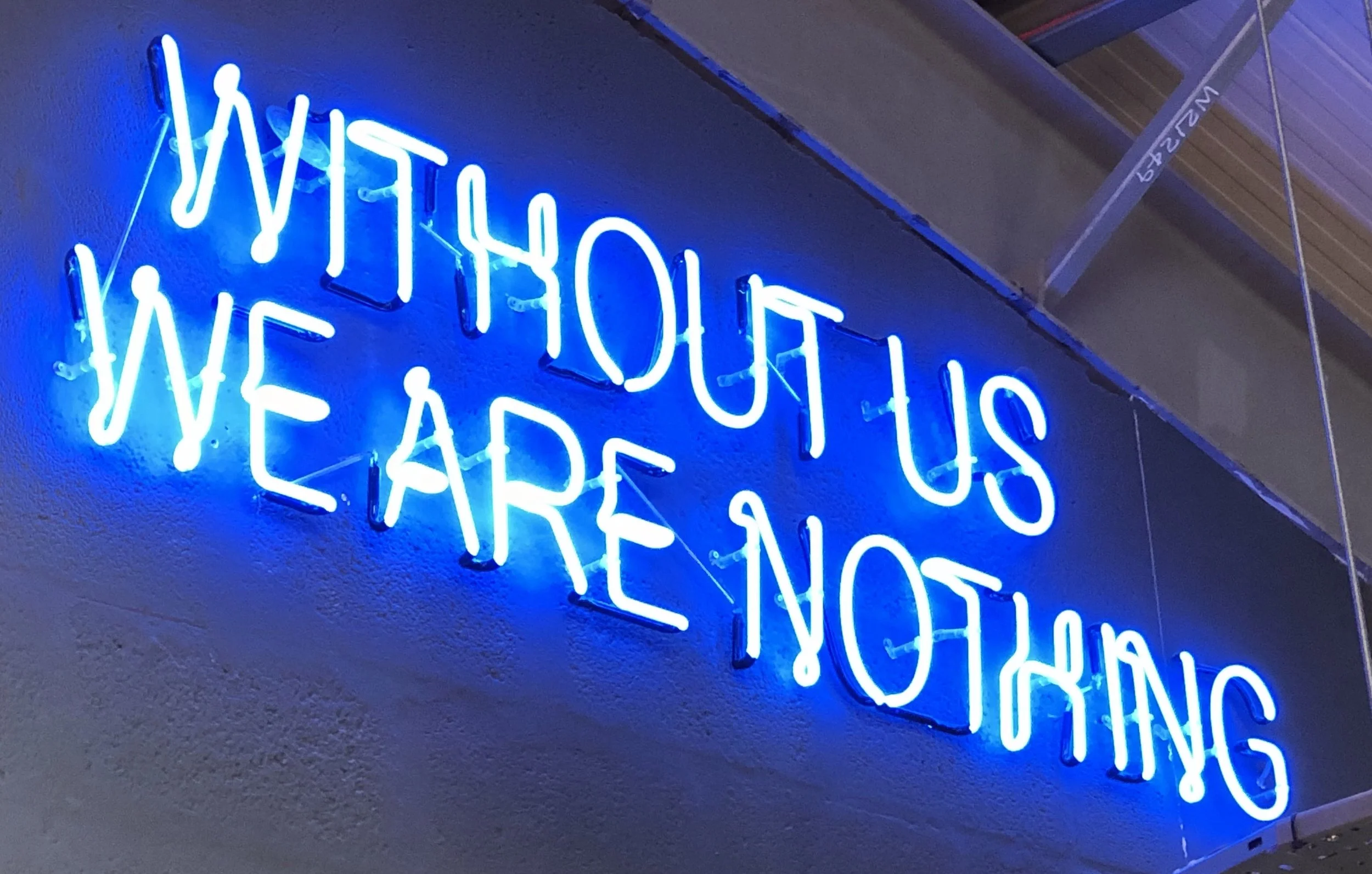
I still remember the guide’s words: “We are BrewDog - the employees and the punks. Without us, it would be just another brewery. With us, it has a soul.” And then I saw the neon sign on the wall: Without us, we are nothing.
That sentence stayed with me.
Because culture is a competitive advantage — until it becomes an operational risk. In its rise, BrewDog’s culture created differentiation, speed, loyalty, and belief. It mobilised customers into shareholders. It turned employees into ambassadors. It replaced bureaucracy with energy. But culture must evolve as scale increases. Founder intensity must mature into distributed responsibility. Passion must be translated into clear roles, healthy governance, and shared accountability. Informal power must become structured leadership.
When the people behind the purpose lose alignment, when belief fractures, when internal reality diverges from external narrative, the structure weakens, regardless of brand strength.
Without going into the business decisions, market pressures, or strategic errors that led here, one thing feels certain: When the people who embody the purpose lose themselves, nothing remains.
Culture is not a slogan on a wall. It is the architecture of trust.
And, without people, culture is nothing.